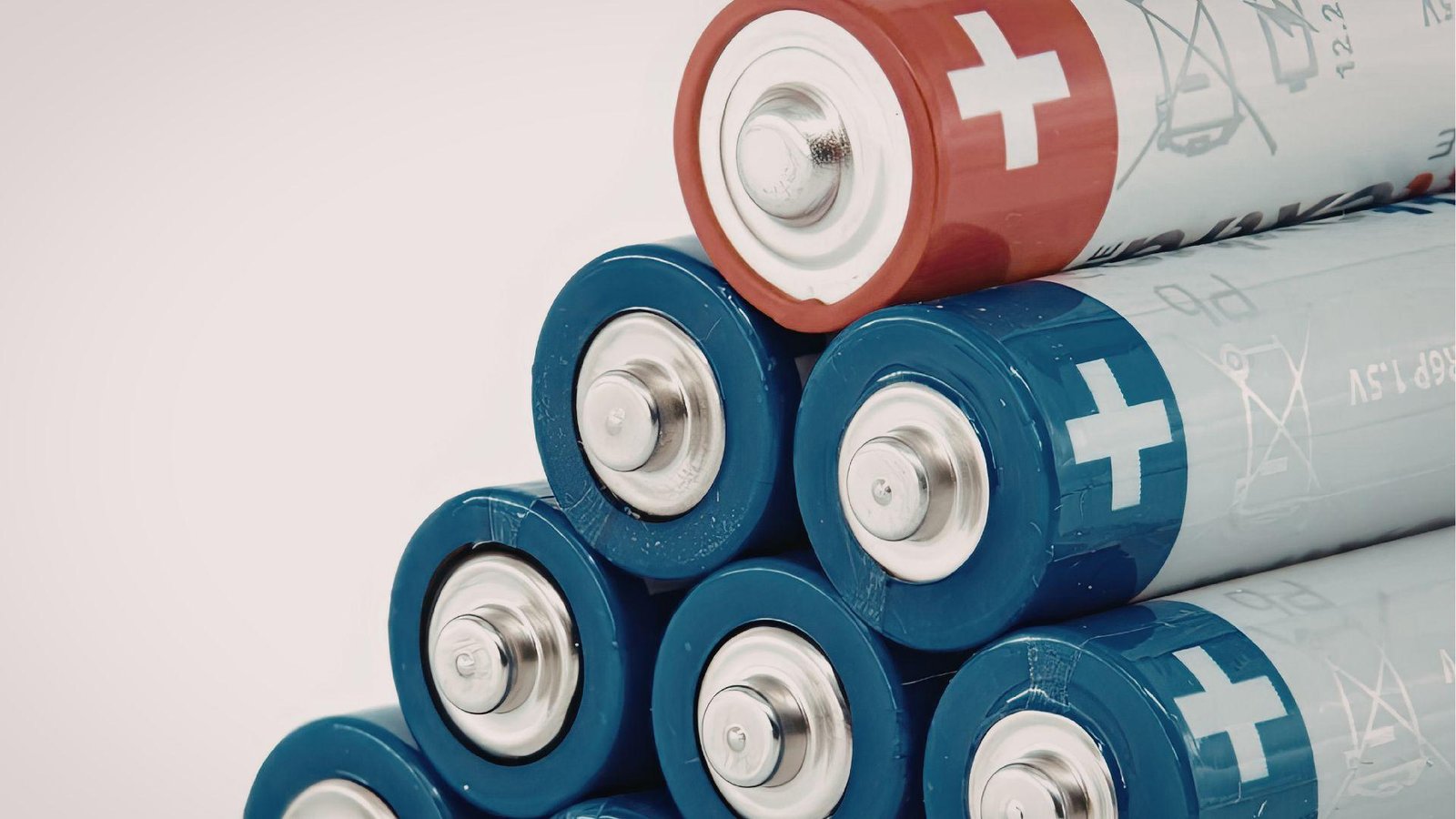
Lead Acid Battery Market Sees Steady Growth Amid Rising Demand for Reliable Energy Storage
The global lead acid battery market continues to demonstrate stable growth as demand rises across automotive, industrial, and backup power applications. According to insights from Renub Research, the market is expected to grow from US$ 37.23 billion in 2025 to US$ 53.04 billion by 2034, registering a CAGR of 4.01% from 2026 to 2034.
Despite increasing competition from newer battery technologies, lead acid batteries remain widely used due to their affordability, reliability, and established recycling ecosystem.
Download Free Sample Report:https://www.renub.com/request-sample-page.php?gturl=lead-acid-battery-market-p.php
Market Overview: A Mature Yet Resilient Battery Technology
Lead acid batteries are among the oldest and most widely used rechargeable battery technologies. They utilize lead dioxide as the positive electrode, sponge lead as the negative electrode, and sulfuric acid as the electrolyte.
These batteries are known for their ability to deliver high surge currents, making them ideal for automotive starting, lighting, and ignition (SLI) applications. They are also extensively used in uninterruptible power supply (UPS) systems, telecommunications infrastructure, renewable energy storage, and industrial equipment.
In developing economies, their cost-effectiveness and ease of availability make them a preferred choice for backup power solutions. Continuous improvements in design, efficiency, and recyclability further support their long-term relevance.
Key Growth Drivers in the Lead Acid Battery Market
Strong Demand from Automotive and Transportation Sector
The automotive sector remains the primary driver of the lead acid battery market. Internal combustion engine (ICE) vehicles rely heavily on lead acid batteries for starting and electrical functions.
Even with the rise of electric vehicles (EVs), lead acid batteries continue to play a critical role in hybrid vehicles, commercial fleets, and two-wheelers. The growing global vehicle parc, particularly in emerging markets, is driving consistent replacement demand for automotive batteries.
Additionally, lead acid batteries are widely used in start-stop systems, which enhance fuel efficiency in modern vehicles, further supporting market growth.
Increasing Use in Backup Power and Industrial Applications
The growing need for reliable backup power solutions is significantly contributing to the expansion of the lead acid battery market. These batteries are widely used in UPS systems, telecommunications networks, data centers, healthcare facilities, and industrial operations.
With the rapid growth of digital infrastructure and communication networks, the demand for uninterrupted power supply is increasing. Lead acid batteries offer a cost-effective and dependable solution for these applications.
Their scalability and durability make them particularly suitable for stationary energy storage systems, ensuring continuous operations in critical environments.
High Recyclability and Circular Economy Benefits
One of the most significant advantages of lead acid batteries is their high recyclability. A large percentage of their components, including lead and plastic, can be recovered and reused, making them one of the most recycled products globally.
This closed-loop recycling system reduces raw material costs and minimizes environmental impact. Governments and regulatory bodies often support recycling initiatives, further strengthening the market.
Innovations in recycling technologies are improving efficiency and preserving valuable materials, enhancing the sustainability and economic viability of lead acid batteries.
Market Challenges Hindering Growth
Competition from Advanced Battery Technologies
The rise of advanced battery technologies, particularly lithium-ion batteries, poses a significant challenge to the lead acid battery market. These alternatives offer higher energy density, longer life cycles, and lighter weight, making them more suitable for applications such as electric vehicles and renewable energy storage.
As costs of lithium-ion batteries continue to decline, their adoption is increasing, potentially limiting the growth of lead acid batteries in certain segments.
Manufacturers are responding by focusing on cost-sensitive markets and improving the performance of lead acid batteries to remain competitive.
Environmental and Health Concerns
Environmental and health concerns associated with lead usage present another challenge for the market. Improper handling, manufacturing, and recycling of lead acid batteries can result in harmful environmental and health impacts.
Strict regulations governing production, transportation, and recycling processes increase compliance costs for manufacturers. In regions with inadequate recycling infrastructure, these challenges are more pronounced.
Addressing these concerns through improved safety standards and sustainable practices is essential for long-term market growth.
Segment Analysis: Diverse Applications Across Industries
SLI (Starting, Lighting, Ignition) Segment
The SLI segment is a key component of the lead acid battery market, driven by its extensive use in automotive applications. These batteries provide the high surge currents required to start internal combustion engines, making them indispensable in traditional vehicles.
The growing demand for vehicle replacements and increasing automotive production in emerging markets are supporting this segment’s growth.
Flooded Lead Acid Batteries
Flooded lead acid batteries are widely used in automotive, industrial, and stationary applications due to their simple design and low cost. They are particularly suitable for heavy-duty operations such as forklifts and backup power systems.
Despite requiring regular maintenance, their durability and ability to withstand harsh conditions make them a popular choice in various industries.
OEM and Aftermarket Segments
The OEM segment benefits from strong partnerships between battery manufacturers and automotive companies, ensuring consistent demand for new vehicle installations.
The aftermarket segment is equally important, driven by the need for battery replacements due to limited lifespan. High replacement rates, especially in developing regions, contribute significantly to overall market growth.
Telecom and UPS Applications
Lead acid batteries play a crucial role in telecommunications and UPS systems, providing backup power for critical infrastructure.
The expansion of telecom networks and increasing reliance on data centers are driving demand for reliable energy storage solutions. Lead acid batteries offer a cost-effective and proven option for these applications.
Regional Insights: Growth Across Key Markets
United States
The United States represents a mature market, supported by strong demand from automotive, industrial, and data center sectors. High recycling rates and stringent environmental regulations ensure sustainable production and usage.
Replacement demand for automotive batteries remains a key growth driver in the region.
United Kingdom
The UK market is driven by automotive replacement demand and increasing use of lead acid batteries in UPS systems and renewable energy storage.
Strict environmental regulations and high recycling rates support sustainable market growth.
India
India is one of the fastest-growing markets, driven by urbanization, expanding automotive industry, and increasing demand for backup power solutions.
Frequent power outages and growing telecom infrastructure further boost demand for lead acid batteries.
Saudi Arabia
Saudi Arabia’s market is supported by strong demand from automotive, telecom, and industrial sectors. Harsh climatic conditions increase battery replacement rates, contributing to market growth.
Infrastructure development and expanding connectivity also drive demand for backup power solutions.
Competitive Landscape and Key Players
The lead acid battery market is highly competitive, with several global and regional players focusing on innovation, cost efficiency, and sustainability. Key companies include:
- EnerSys
- Exide Industries Limited
- GS Yuasa Corporation
- Panasonic Holdings Corporation
- Teledyne Technologies Incorporated
These companies are investing in research and development, recycling technologies, and strategic partnerships to maintain their competitive edge.
Market Segmentation Overview
By Product:
By Construction Method:
- Flooded
- Valve Regulated Sealed Lead-Acid (VRLA)
By Sales Channel:
By Application:
- Automotive
- UPS
- Telecom
- Others
By Region:
- North America
- Europe
- Asia Pacific
- Latin America
- Middle East & Africa
This segmentation highlights the wide-ranging applications and market dynamics shaping the industry.
Final Thoughts
The lead acid battery market is expected to maintain steady growth, driven by its strong presence in automotive, industrial, and backup power applications. As highlighted by Renub Research, the market’s projected value of US$ 53.04 billion by 2034 reflects its continued relevance in the global energy landscape.
While competition from advanced battery technologies and environmental concerns pose challenges, ongoing innovations and high recyclability ensure that lead acid batteries remain a vital component of energy storage systems worldwide.
As industries continue to demand reliable and cost-effective power solutions, the lead acid battery market is well-positioned to sustain its role as a foundational technology in both traditional and emerging applications.