


A Complete Guide to Empty Wine Bottles Wholesale: Uses, Sourcing, and Market Insights
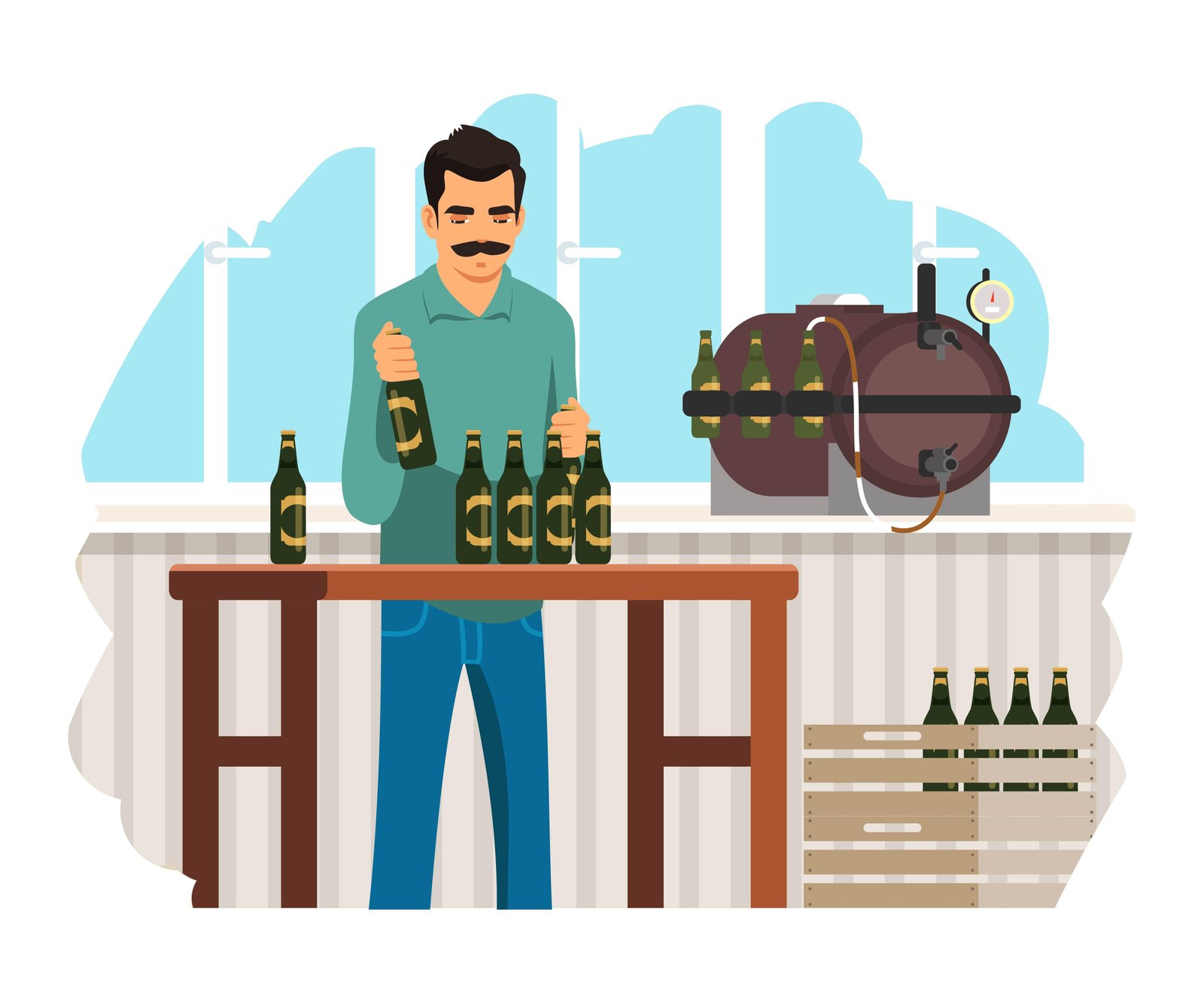
The demand for empty wine bottles wholesale has steadily increased across the United States, driven by a wide range of industries and creative applications. From small-scale beverage producers to DIY enthusiasts and event planners, bulk wine bottles are no longer limited to wineries. Understanding the dynamics behind sourcing, types, uses, and sustainability considerations can help individuals and businesses make informed decisions in this growing market.
Understanding the Demand for Empty Wine Bottles Wholesale
In recent years, the need for empty wine bottles in bulk has expanded beyond traditional wine production. Craft beverage makers, including those producing kombucha, infused oils, and specialty drinks, frequently rely on wholesale wine bottles for packaging. Additionally, the rise of home-based businesses and handmade product sellers has contributed to this demand.
Buying empty wine bottles wholesale allows buyers to reduce costs per unit while ensuring consistency in packaging. Bulk purchasing is particularly useful for operations that require uniformity in bottle size, shape, and closure type.
Common Types of Wine Bottles Available in Bulk
Wholesale wine bottles come in a variety of shapes, sizes, and colors, each serving specific purposes. Understanding these variations is essential when selecting the right bottles for a particular use.
1. Bordeaux Bottles
These are among the most commonly used wine bottles. They feature straight sides and a high shoulder, making them ideal for both red and white wines. Their versatility also makes them popular for other beverages.
2. Burgundy Bottles
With gently sloping shoulders and a wider body, Burgundy bottles are often associated with more delicate wines. They are also favored for aesthetic purposes in decorative and craft applications.
3. Champagne Bottles
Designed to withstand higher pressure, these bottles are thicker and heavier. They are often used for sparkling beverages and can be repurposed for creative projects due to their durability.
4. Colored vs. Clear Glass
-
Green and amber bottles help protect contents from UV light, making them suitable for beverages and oils.
-
Clear bottles are typically used when visual presentation is important, such as infused liquids or decorative items.
Key Uses of Empty Wine Bottles Purchased Wholesale
The versatility of empty wine bottles has led to their use in a wide range of industries and applications.
1. Beverage Production
Small-scale wineries, breweries, and specialty drink producers often rely on wholesale bottles to package their products efficiently.
2. Food and Oil Packaging
Empty wine bottles are commonly used for storing olive oil, vinegar, syrups, and sauces. Their airtight sealing capabilities help preserve freshness.
3. Home Décor and Crafts
DIY enthusiasts frequently repurpose wine bottles into vases, lamps, candle holders, and centerpieces. Bulk purchasing allows for consistency in design projects.
4. Event Planning and Weddings
Event organizers often use wine bottles as decorative elements, table centerpieces, or customized favors. Buying in bulk ensures uniformity across large events.
5. Recycling and Sustainability Initiatives
Organizations focused on sustainability often collect and reuse wine bottles, reducing the environmental impact associated with glass production.
Factors to Consider When Buying Empty Wine Bottles Wholesale
Before purchasing empty wine bottles in bulk, several factors should be carefully evaluated to ensure the selection meets specific needs.
1. Bottle Size
Standard wine bottles typically hold 750 ml, but other sizes such as 375 ml or 1 liter may also be available. The intended use will determine the most appropriate size.
2. Closure Compatibility
Different bottles are designed for various closure types, including corks, screw caps, and swing tops. Ensuring compatibility is crucial for proper sealing.
3. Glass Thickness and Durability
For products requiring carbonation or long-term storage, thicker glass is necessary to prevent breakage and maintain quality.
4. Quantity Requirements
Wholesale orders often come with minimum order quantities. Buyers should estimate their needs accurately to avoid excess inventory.
5. Shipping and Storage
Glass bottles are fragile and require careful handling. Storage space and transportation logistics should be considered when placing large orders.
The Role of Sustainability in the Wholesale Bottle Market
Sustainability plays a significant role in the growing interest in empty wine bottles wholesale. Glass is one of the most recyclable materials, and reusing bottles can significantly reduce environmental impact.
Many buyers are now prioritizing:
-
Recycled glass bottles
-
Reusable bottle designs
-
Local sourcing to reduce transportation emissions
The reuse of wine bottles in crafts, home décor, and packaging aligns with broader environmental goals, making wholesale purchasing an attractive option for eco-conscious consumers.
Pricing Trends in the U.S. Market
The cost of empty wine bottles wholesale in the United States can vary depending on several factors, including material quality, bottle design, and order volume.
Generally, pricing is influenced by:
-
Bulk quantity discounts
-
Glass thickness and quality
-
Customization options (such as embossing or labeling)
-
Supply chain conditions
Larger orders typically result in lower per-unit costs, making wholesale purchasing more economical for businesses and large-scale projects.
Challenges in Sourcing Wholesale Wine Bottles
Despite the advantages, sourcing empty wine bottles in bulk can present certain challenges.
1. Supply Chain Disruptions
Fluctuations in raw material availability and transportation issues can impact supply and pricing.
2. Storage Limitations
Bulk orders require adequate storage space to prevent damage and maintain organization.
3. Quality Consistency
Ensuring uniform quality across large quantities can sometimes be difficult, especially when sourcing from multiple suppliers.
4. Environmental Concerns
While glass is recyclable, the production and transportation of bottles still contribute to carbon emissions. This has led to increased interest in local sourcing and reuse.
Trends Shaping the Future of Empty Wine Bottles Wholesale
The market for empty wine bottles wholesale continues to evolve, influenced by changing consumer preferences and industry innovations.
1. Increased Demand for Customization
Businesses are seeking unique bottle designs to differentiate their products. This includes variations in shape, color, and finish.
2. Growth of Small-Scale Producers
The rise of craft beverages and artisanal products has increased the need for smaller, more flexible wholesale orders.
3. Emphasis on Sustainability
Eco-friendly practices, including bottle reuse and recycled materials, are becoming standard expectations.
4. Technological Advancements
Improvements in glass manufacturing are leading to lighter, more durable bottles that reduce shipping costs and environmental impact.
Practical Tips for Buyers
For those considering purchasing empty wine bottles wholesale, a strategic approach can help maximize value and minimize challenges.
-
Plan ahead to account for production timelines and delivery schedules
-
Request samples to verify quality before committing to large orders
-
Consider storage conditions to prevent breakage or contamination
-
Evaluate long-term needs rather than making short-term purchases
-
Prioritize sustainability where possible to align with market trends
Conclusion
The market for empty wine bottles wholesale in the United States reflects a blend of practicality, creativity, and sustainability. No longer limited to wineries, these bottles serve a wide array of purposes across industries and individual projects. By understanding the different types, uses, and considerations involved in bulk purchasing, buyers can make informed decisions that align with their goals.
As demand continues to grow, the focus on cost efficiency, environmental responsibility, and customization will likely shape the future of this market. Whether for production, decoration, or reuse, empty wine bottles remain a versatile and valuable resource in today’s economy.
Catégories
Lire la suite
A robust security posture should involve multiple layers of defense against malicious software. Static antivirus suites often conflict, but specialized cleanup utilities can add a powerful secondary line of defense. These on-demand scanners are not intended for installation on a compromised system, as malware actively blocks new security software. Here’s a strategy when an infection is...

Sony Pictures Digital Entertainment ventures into feature animation, establishing a new division under the leadership of seasoned executives. Sandra Rabins and Penney Finkelman Cox, the architects behind DreamWorks Animation's launch, will helm this initiative. They will oversee the development and production of Sony's fully computer-generated animated films, reporting directly to SPDE...
In a significant move within the entertainment industry, Netflix has secured the worldwide distribution rights for Noah Baumbach's latest film, The Meyerowitz Stories (New and Selected), from IAC Films. This highly anticipated project is set to debut both in select cinemas and on Netflix's streaming platform globally later in the year. Directed and written by Baumbach, the film features a...
In the fast-moving world of streetwear, few brands capture attention like Broken Planet. Known for its bold graphics, unique textures, and cultural storytelling, Broken Planet has become a must-watch label for fashion enthusiasts. Every new drop sparks excitement, and some items sell out almost immediately. Collectors and fans often scramble to grab these pieces before they disappear. Owning...

Rapid Growth of RFID Technology Transforming Retail, Healthcare, and Logistics The North America RFID market is experiencing significant growth as organizations increasingly adopt smart tracking technologies to improve operational efficiency, asset visibility, and supply chain transparency. Industries such as retail, healthcare, logistics, and manufacturing are rapidly implementing RFID...
