


Hiking Volcano National Park: Tips and Trail Info
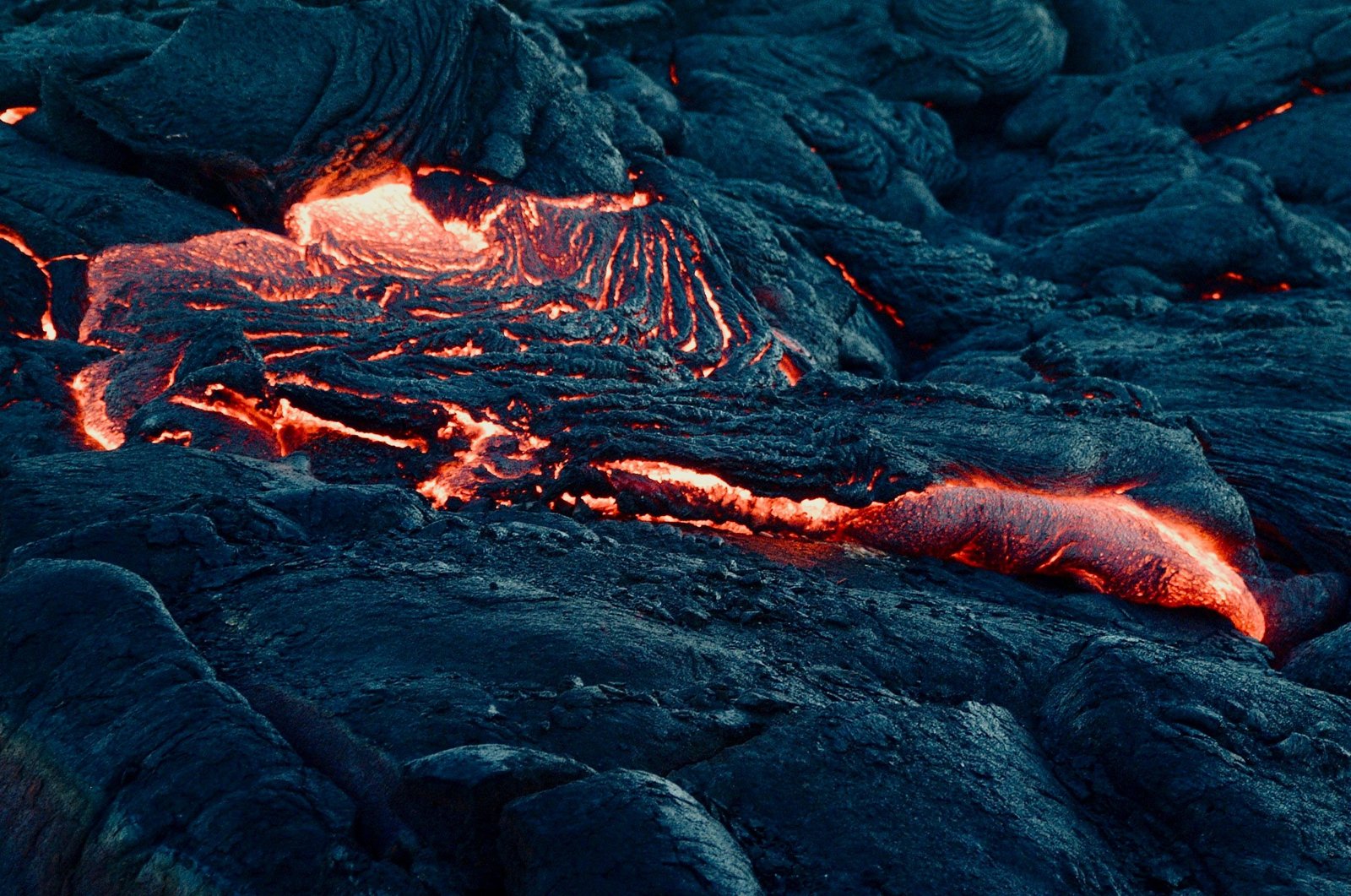
Poas volcano national park safety alert If this is your first time hiking volcano national park terrain in Costa Rica, knowing which trails to prioritize makes a real difference in how much you enjoy the day. The good news is that most of the major volcanic parks in Costa Rica are set up with visitors of varying fitness levels in mind, so you don't need to be an experienced hiker to have an incredible time.
At Poas Volcano National Park, the main trail to the crater viewpoint is the obvious starting point. It's a paved path of roughly half a mile from the visitor center to the overlook, and while it involves a gradual uphill walk, it's manageable for most people including older visitors and families with kids. The payoff at the end is a direct view into one of the most active and visually striking craters in Central America, which makes every step worth it.
The Botos Lagoon trail at Poas is a step up in terms of length and terrain. This trail takes you through dense cloud forest to a beautiful secondary crater lake that sits in striking contrast to the main acidic crater. It runs about one and a half miles round trip and involves some uneven ground, but it's still considered easy to moderate and is well worth adding to your Poas visit if your schedule allows.
At Arenal Volcano National Park, the Coladas Trail and the Los Tucanes Trail are the most popular beginner-friendly routes. Both pass through hardened lava fields from Arenal's major 1968 eruption, and the landscape is genuinely unlike anything most American visitors have seen before. Hiking volcano national park trails through old lava fields gives you a direct, tangible sense of the geological forces that shaped the landscape.
Rincon de la Vieja has longer and more demanding trail options, but the Las Pailas loop is a solid choice for first-timers. It runs about three miles through an active geothermal area with mud pots, fumaroles, and river crossings that make the whole experience feel surprisingly adventurous for a relatively accessible trail.
Morning vs Afternoon: Best Time to Hike
Timing matters more than most people realize when it comes to hiking volcano national park trails in Costa Rica, and the general rule is pretty straightforward: go early.
At higher elevation parks like Poas and Irazu, cloud cover builds through the morning and often reaches the crater rim by 10 or 11 AM. Once the clouds settle in, visibility into the crater can drop to near zero, and you can find yourself standing at a viewpoint looking at a wall of white mist rather than the crater you came all this way to see. Arriving by 8 AM gives you the best realistic shot at clear conditions.
Arenal has its own weather pattern. The volcano is often visible in the early morning and then gets wrapped in clouds by midday. Late afternoons occasionally clear up again, but you're taking a gamble if you're counting on that. The consistent advice from experienced guides and repeat visitors is to be at the trailhead as early as possible and treat any clear views of the cone as a bonus rather than a guarantee.
Afternoon hiking in any of these parks also coincides with the likelihood of rain, especially during rainy season from May through November. Trails get slippery when wet, temperatures drop, and the overall experience becomes more challenging without the reward of great views. If you're visiting during the dry season from December through April, afternoon conditions are more forgiving, but mornings are still significantly better at crater-level viewpoints.
The practical advice is to plan your hike as the first activity of the day, get it done, and then transition to afternoon activities like hot springs, waterfall visits, or wildlife tours that are less dependent on clear weather.
How Altitude Affects Your Hiking Pace
Altitude is one of the most underestimated factors when it comes to hiking volcano national park trails in Costa Rica, particularly for visitors coming from low-elevation cities or coastal areas back home.
Poas sits at around 8,900 feet above sea level at the crater rim. Irazu is even higher at over 11,000 feet. Even Arenal, which is lower at roughly 5,400 feet, is high enough to make a noticeable difference for people who aren't acclimatized. At these elevations the air is thinner, which means your body is working harder to get oxygen with every breath even when you're doing something as straightforward as a paved trail walk.
Common effects include feeling more winded than expected on gentle uphill sections, mild headaches, and fatigue that sets in faster than it would at sea level. These effects are usually mild for short visits and don't require medical attention, but they're real enough to affect your pace and enjoyment if you push too hard too fast.
The practical solution is to give yourself time. Don't rush the trail. Take breaks more frequently than you think you need to, drink more water than you normally would, and avoid heavy meals right before the hike. If you've spent a day or two in San Jose before heading up to the volcanic parks, your body will have started adjusting to the higher elevation of the central valley, which helps when you go even higher at the parks.
Layering Clothing for Changing Conditions
Packing right for hiking volcano national park terrain is genuinely one of the practical tips that separates a comfortable day from a miserable one. The weather in Costa Rica's highland volcanic areas is notoriously variable, and conditions can shift from sunny and pleasant to cold and rainy within the span of an hour.
The layering principle works well here. Start with a moisture-wicking base layer that keeps sweat off your skin during the uphill sections. Add a mid-layer like a light fleece or long-sleeve shirt for warmth at the crater rim where wind and mist combine to make temperatures feel significantly colder than the thermometer suggests. Top that with a packable rain jacket that you can stuff into a daypack when you don't need it.
Temperatures at Poas and Irazu can drop into the mid-50s Fahrenheit even during what's technically dry season. For visitors expecting tropical warmth throughout Costa Rica, this can come as a real surprise. A light beanie and gloves tucked into your pack take up almost no space and make a big difference if conditions turn cold at the rim.
For footwear, proper hiking shoes or trail runners with decent grip are strongly recommended over sneakers or sandals. Trail surfaces mix pavement, gravel, mud, and exposed roots depending on which path you take, and wet conditions after morning mist or rain make traction genuinely important.
Respectful Trail Etiquette to Follow
Following good trail etiquette at any hiking volcano national park site in Costa Rica protects the ecosystem and makes the experience better for everyone sharing the trail with you.
Stay on marked trails at all times. This sounds basic but it's worth emphasizing because the temptation to step off trail for a better photo angle is real, especially near crater viewpoints. The vegetation in cloud forest environments is slow-growing and fragile, and even a few people cutting corners over time causes lasting damage.
Keep noise levels down on trails. Cloud forest habitats are home to species like the resplendent quetzal and other birds that are sensitive to human disturbance. Loud conversations and music playing from phone speakers disrupt wildlife and take away from the natural atmosphere for other hikers around you.
Pack out everything you pack in. Trash cans inside national parks are limited by design to reduce attracting wildlife and to encourage visitors to manage their own waste. Carry a small bag for wrappers, water bottles, and anything else you bring onto the trail.
Before you set out, always review the current Poas Volcano National Park safety alert status on the SINAC website, since volcanic activity can trigger trail closures or restricted access zones with short notice. Rangers enforce these boundaries for legitimate safety reasons and they're not negotiable on the ground.
Yield to other hikers going uphill on narrow sections, give wildlife space and never attempt to feed animals, and keep your voice low near crater edges where safety signage is posted.
Post-Hike Recovery and Nearby Food Options
After a morning of hiking volcano national park trails, your body will appreciate some food, rest, and ideally a warm soak if you can work it into your day.
The small towns near Costa Rica's volcanic parks have solid local food options that are affordable and genuinely good. Near Poas, the town of Poasito has a handful of local sodas serving typical Costa Rican plates of rice, beans, grilled chicken, and plantains for around $8 to $12 per person. These casual spots are exactly the kind of meal that hits right after a morning on the trails, filling without being heavy.
Near La Fortuna and Arenal, restaurant options are much more varied with everything from casual local spots to nicer sit-down places catering to the heavier tourist traffic in that area. Budget between $12 and $20 per person for a proper lunch with a drink.
Hot springs are the obvious and genuinely excellent post-hike recovery option in this part of Costa Rica. The geothermal pools near Arenal and in the broader Poas region are perfect for loosening up tired legs and easing any soreness from uneven terrain. Many resorts offer day passes to their thermal pools for around $30 to $50 per person, which is a very satisfying way to end an active morning.
https://www.travelosei.com/hello-india/poas-volcano-national-park-safety-alert
FAQs
Do I need hiking experience before hiking volcano national park trails in Costa Rica?
No, most of the main trails at parks like Poas and Arenal are designed for general visitors and don't require prior hiking experience. Comfortable footwear and a reasonable fitness level are enough.
Are hiking poles allowed on the trails?
Yes, hiking poles are permitted and can be helpful on uneven or muddy sections, particularly on longer trails at parks like Rincon de la Vieja.
Can I hike at Poas without a reservation?
No. Poas Volcano National Park requires advance reservations through the SINAC online portal. You cannot enter the park without a confirmed booking.
How long does the average hike take at Poas?
The main crater trail takes about 20 to 30 minutes one way at a comfortable pace. Adding the Botos Lagoon trail brings total hiking time to roughly two hours for most visitors.
What should I do if it starts raining heavily on the trail?
Stay calm, put on your rain jacket, and make your way back to the visitor center or a covered area along the trail. Avoid standing near crater edges or exposed ridgelines during heavy rain or lightning.
Κατηγορίες
Διαβάζω περισσότερα
Matthijs de Ligt en Vedette Un nouveau héros a fait son apparition dans la DCE de FC 26 : il s’agit de Matthijs de Ligt, cette fois en version flashback. Ce défenseur central exceptionnel se distingue par sa polyvalence et sa maturité dès le jeune âge. À seulement 19 ans, il portait déjà le brassard de capitaine à...

Learning Salesforce helps individuals understand CRM platforms, sales management tools, and cloud-based business solutions. The course covers essential topics such as Salesforce navigation, data management, and business workflow processes. During the learning process, students can join FITA Academy to strengthen their knowledge with structured training. This Salesforce course helps learners...
Introduction to FC 26 Ratings Reload With Ratings Reload approaching, anticipation is building around which players might receive upgrades. There are generally two main approaches to these predictions: highlighting those who were underrated at the start of FC 26, and recognizing individuals who have made an outstanding impact early in the season. To provide a comprehensive outlook, we’re...
The performance of helical piles in construction projects depends heavily on their design, particularly the geometry of the blades. While installation techniques and soil conditions play a role, the shape, diameter, and pitch of the blades directly affect the pile’s load-bearing capacity. Engineers and contractors increasingly recognize that subtle variations in blade design can lead to...

SEO Nexus: Driving Digital Visibility Through Intelligent SEO Strategies The digital marketplace has become increasingly competitive as businesses across the world compete for attention online. Search engines are often the first place where customers discover products, services, and information. Because of this, ranking higher in search results has become a crucial part of business...
