


Best Carry On Suitcases for Stress-Free Travel
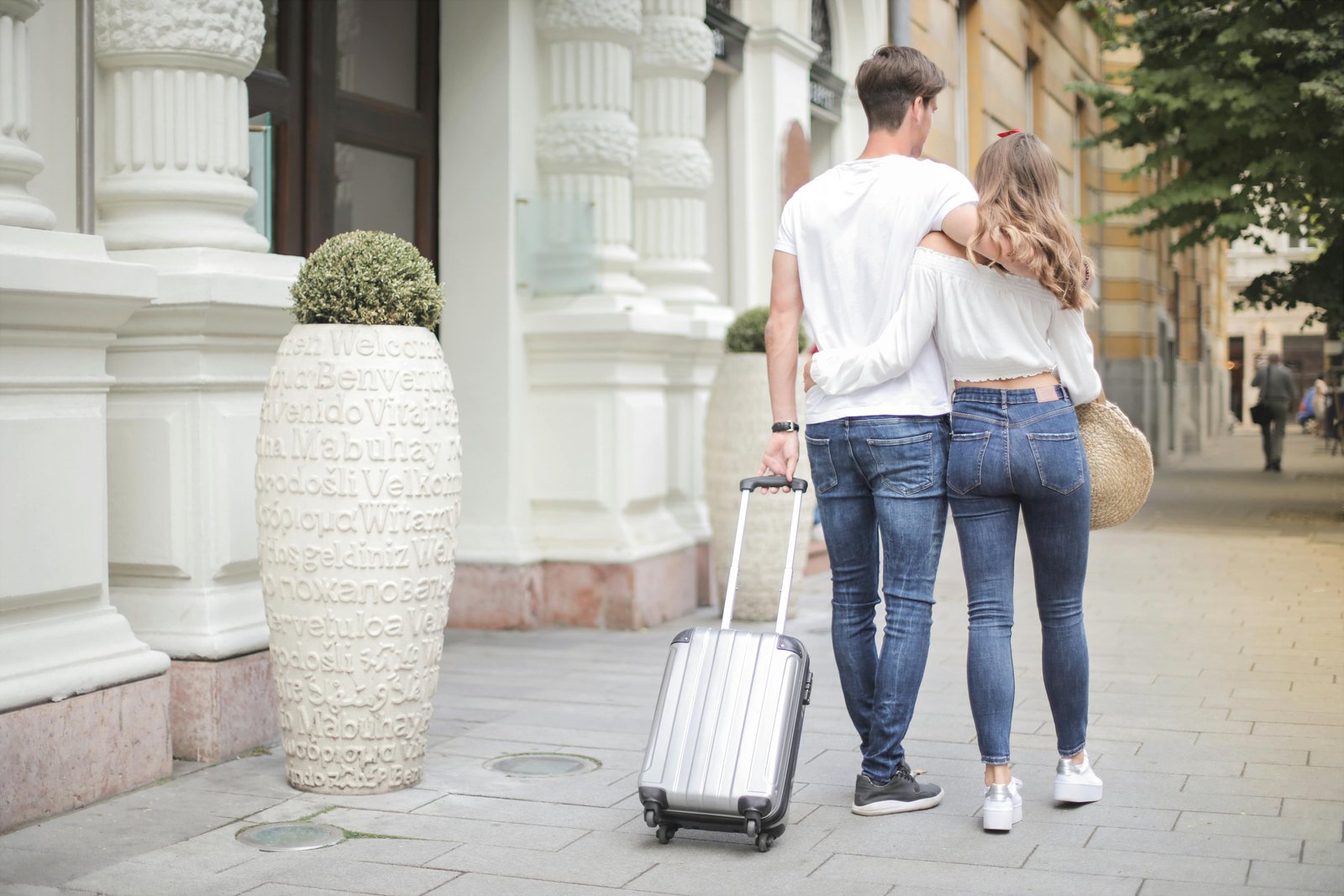
Best carry on luggage for international travel There is something genuinely satisfying about walking off a plane and heading straight for the exit while everyone else crowds around baggage claim. No waiting, no fees, no wondering if your bag made the connection. That is the carry-on life, and once you get a system down, it is hard to go back. But the whole thing falls apart if your bag is not up to the job. The wrong carry on suitcases cause problems at the gate, waste space with poor layouts, and wear out faster than they should. This guide breaks down what actually separates a great carry-on from a frustrating one, so you can make a smart choice and travel with a lot less stress.
What Makes the Best Carry On Suitcases Stand Out
Walk through any major American airport and you will see hundreds of carry-ons rolling by. Some look beat up after a handful of trips. Others are still going strong years in. The difference usually comes down to a few specific things.
Build quality is the starting point. The best carry on suitcases use materials that are designed for real travel, not just light use. That means wheels with solid housings that do not wobble after a few months, zippers from reputable manufacturers like YKK that do not split under pressure, and shells or fabrics that can handle being shoved into overhead bins and tossed around by handlers without falling apart.
Weight is a close second. A carry-on that weighs 9 or 10 pounds empty is eating into the weight allowance you need for your clothes and gear. The best options today are noticeably lighter than they were even a few years ago, and manufacturers have figured out how to cut weight without sacrificing structural integrity.
Size accuracy matters more than most buyers realize until it is too late. Some bags advertise dimensions that reflect internal measurements rather than external ones, which means the actual bag with wheels and handles is larger than what was listed. Quality brands are upfront about external dimensions and design their bags to fit comfortably within standard airline limits rather than pushing right up against them.
Interior organization rounds out the list. A carry-on that is just one big open compartment forces you to either overpack or dig through everything every time you need something. The best carry on suitcases are designed with a layout that makes packing logical and unpacking fast.
Size Guidelines Every Traveler Should Memorize
Knowing the size rules before you buy saves you from a lot of headaches down the road. The standard carry-on size accepted by most major US airlines is 22 x 14 x 9 inches. That covers the entire bag from the outside, including wheels, handles, and any exterior pockets that extend beyond the main body.
Delta, United, American Airlines, Southwest, and Alaska Airlines all use this standard. JetBlue allows 22 x 14 x 10 inches, which gives you a little more depth. These are the carriers most American travelers deal with regularly, so a bag built to 22 x 14 x 9 inches covers the majority of domestic travel without any issues.
Budget carriers are where things get stricter. Spirit and Frontier have their own size policies and are known for measuring bags at the gate. Fees for oversized carry-ons on budget airlines can run anywhere from $50 to over $100 depending on when the bag is flagged.
For international travel, the picture gets more complicated. Budget European carriers like Ryanair enforce limits as tight as 21.7 x 15.7 x 7.9 inches with weight caps that can be as low as 22 pounds. If you fly internationally with any frequency, a carry-on that sits clearly within 22 x 14 x 9 inches gives you the best shot at compliance across different airlines worldwide. For a detailed look at what works best across international routes, check out this resource on the best carry on luggage for international travel.
A good rule of thumb is to treat the 22 x 14 x 9 inch standard as your ceiling, not a target. A bag that fits comfortably within those dimensions is always safer than one that just barely makes it.
Top Picks for Business, Leisure, and Adventure Travel
The right carry on suitcases for a consultant flying Monday through Friday look different from the right ones for someone doing a long weekend in Nashville or a hiking trip in Colorado. Here is how to match the bag to the trip.
For business travel, Travelpro Platinum Elite and Briggs and Riley Baseline are at the top of the list for most frequent flyers. Travelpro is the brand airline crews actually choose, which is about as strong a real-world endorsement as you can get. It has an interior layout built around keeping professional clothing wrinkle-free and a telescoping handle that holds up after hundreds of trips. Briggs and Riley backs their bags with a lifetime guarantee that covers airline damage, which is a level of confidence very few brands can match.
For leisure travel, Away The Carry-On and Calpak Hue are two of the most popular choices among American travelers right now. Both look great, pack well, and come at price points that feel fair. Away in particular has built a strong reputation for quality and customer service that makes it easy to recommend.
For adventure travel, Osprey Ozone and Eagle Creek Gear Warrior are worth a look. These bags blur the line between a rolling suitcase and a travel pack, handling uneven terrain and rougher conditions better than standard carry on suitcases designed primarily for airport floors.
Lightweight Designs That Don't Sacrifice Durability
The carry-on market has made real strides in cutting weight without making bags feel flimsy, and in 2026 there are genuinely good lightweight options across price ranges.
Travelpro Maxlite 5 is one of the lightest quality carry-ons available at around 5.7 pounds empty for a 22-inch bag. The polyester fabric is durable, the wheels roll smoothly, and the price sits in a very accessible mid-range spot.
Samsonite Omni PC uses a polycarbonate shell that weighs around 7.3 pounds and handles impact considerably better than ABS plastic. Polycarbonate flexes slightly when hit rather than cracking, which makes a real difference over years of travel.
Delsey Paris Helium Aero comes in around 6.5 pounds and features dual-spinner wheels that get consistently strong reviews for smoothness. It is a brand that brings solid engineering at a price that undercuts many American competitors for comparable quality.
Away The Carry-On sits just over 7 pounds and balances weight and build quality well. It is not the lightest option on the market, but the construction and warranty justify the trade-off for a lot of buyers.
For carry on suitcases, aiming for under 7 pounds empty is a practical target. Bags from reputable brands in that range are built well. Very cheap bags advertising extremely low weights almost always make that happen by using inferior wheels, weaker frames, or substandard zippers.
Best Carry On Suitcases With Smart Organization Systems
Organization is one of those things that sounds minor until you are unpacking at a hotel at midnight trying to find your phone charger. The best carry on suitcases turn packing into a system instead of a guessing game.
Dual compartments divide the interior into two separate sections. This makes it easy to keep clean clothes on one side and worn ones on the other, or to separate shoes and accessories from everything else. Bags from Travelpro and Briggs and Riley do this particularly well.
Compression straps on both sides of the interior keep clothes packed flat and prevent shifting during the flight. The quality of these straps varies significantly between brands. On cheaper bags, they are often too short or too loosely attached to do much. On quality bags, they make a real difference in how much you can fit and how organized things stay.
A dedicated garment section or suiter panel is worth seeking out for business travelers. It folds dress shirts and slacks in a way that minimizes creasing without requiring a separate garment bag. This feature alone can make a carry-on the difference between arriving looking put together and arriving looking like you slept in your clothes.
Quick-access laptop compartments that open without requiring you to unpack everything around them are a significant time-saver at security checkpoints, both domestic and international. Paired with a pass-through sleeve on the back panel that slides over a suitcase handle, these features add real convenience to every trip.
Comparing Zipper vs Frame Closure Styles
Most travelers have only ever used zipper bags, but frame closures have a dedicated following worth understanding before you make a decision.
Zipper closures are the standard across most carry on suitcases on the market today. They are lighter, widely available at every price point, and offer the option to expand slightly when you need a little extra room. A quality YKK zipper is highly reliable and smooth over years of regular use. The one vulnerability of zipper bags is that very cheap zippers can be forced open with minimal effort, though this is not a real concern on mid-range and higher bags that use quality zippers and recessed designs.
Frame closure bags use a metal frame and latch system that opens the bag completely flat. This makes packing and unpacking noticeably easier since you can see and access everything at once. Frame bags are also harder to break into and tend to hold their shape more consistently over time. The trade-offs are weight and cost. Frame closure bags run heavier and more expensive than equivalent zipper bags.
For most American travelers, a quality zipper bag with a TSA-approved lock is the right move. It covers security, weight, and practicality without overcomplicating things. For very frequent travelers who prioritize maximum organization and security, a frame closure bag from Hartmann or Rimowa is worth the extra investment.
Reader-Favorite Brands That Deliver Every Time
When American travelers talk about the carry on suitcases they keep coming back to, certain brands come up over and over. These are the ones that have earned real trust through consistent performance.
Travelpro sits at the top of most frequent flyer recommendations. Airline crews choose it over every other brand, and that real-world vote of confidence carries a lot of weight. Their bags are practical, built to last, and designed around how people actually travel.
Away has become one of the most talked-about carry-on brands in the US in a short amount of time. The combination of clean design, solid build, and strong customer service has created a very loyal user base.
Samsonite is the dependable standard that has been around for over a century. It offers solid quality across a wide range of price points and is available everywhere, which matters when you need a replacement in a hurry.
Delsey Paris is a brand that more American travelers are warming up to, and it deserves the attention. The quality-to-price ratio is competitive and the wheel quality in particular stands out.
Briggs and Riley represents the premium end of the market and backs every bag with a lifetime guarantee that covers virtually any damage. For travelers who are in airports every week, it may be the last carry-on they ever need to buy.
https://www.travelosei.com/hello-india/best-carry-on-luggage-for-international-travel
Frequently Asked Questions
What is the best size for carry on suitcases on US airlines?
22 x 14 x 9 inches including wheels and handles is the standard most major US carriers use. A bag that fits within those dimensions works on Delta, United, American, Southwest, and most other major airlines.
How do I keep my carry-on from getting gate checked?
Choose a bag clearly within airline size limits, do not overstuff it to the point where it cannot close properly, and board as early as you can to secure overhead bin space before it fills up.
Are hard shell or soft shell carry on suitcases better?
Hard shell offers better protection and holds its shape in overhead bins. Soft shell is lighter and more flexible for tight spaces. Hard shell tends to work better for frequent travelers and business trips.
What weight should I aim for when packing a carry-on?
For domestic US travel, keeping your packed bag under 25 pounds is generally safe. For international routes, aim for under 15 pounds since many international airlines enforce stricter carry-on weight limits.
Which carry-on brand has the best warranty?
Briggs and Riley has one of the strongest warranties in the industry, covering virtually any damage including damage caused by airlines. Away and Samsonite also offer solid warranty programs worth looking into.
Categorias
Leia Mais
Netflix has revealed plans to bring the animated feature film "Escape from Hat" to life, with Mark Osborne at the helm as director. Osborne, who has received two Academy Award nominations for his work on "Kung Fu Panda" and "The Little Prince," will collaborate with screenwriter Adam Kline, known for "Artemis Fowl" and "The Clockwork War." The production is set to begin in New York this month,...

Capturing Moments That Matter At MartinWorster Photography, event photography is about more than just taking pictures it’s about preserving moments that become lasting memories. From corporate events and brand launches to private parties and networking functions, every occasion deserves to be documented with care, creativity, and professionalism. With extensive experience behind the...

Business travel. Different than leisure. Every minute counts. Deadlines. Meetings. Flights. One mistake can ruin the whole day. That’s where Executive Airport Taxi Sherwood Park comes in. Not just a car. It’s a promise. Comfort. Reliability. Punctuality. When you choose Airport Cabs Sherwood Park, the first mile of your journey sets the tone. Calm or chaos. Stress or relief....

Ten days have passed since the conclusion of the MPL – PH Season 7 regular season, and today marked the thrilling start of the playoffs. The regular season delivered spectacular moments filled with incredible plays, surprising comebacks, overwhelming victories, and heartbreaking defeats. Now, the focus shifts to the playoffs where only the best will rise to claim the championship. Day 1...
The Enduring Appeal of the Vlone Hoodie We position the Vlone hoodie as a definitive force in contemporary streetwear, representing power, authenticity, and cultural relevance. In an industry driven by rapid trends, Vlone hoodies stand firm as enduring symbols of identity and confidence. Their unmistakable design and cultural alignment elevate them beyond seasonal fashion, making them essential...
