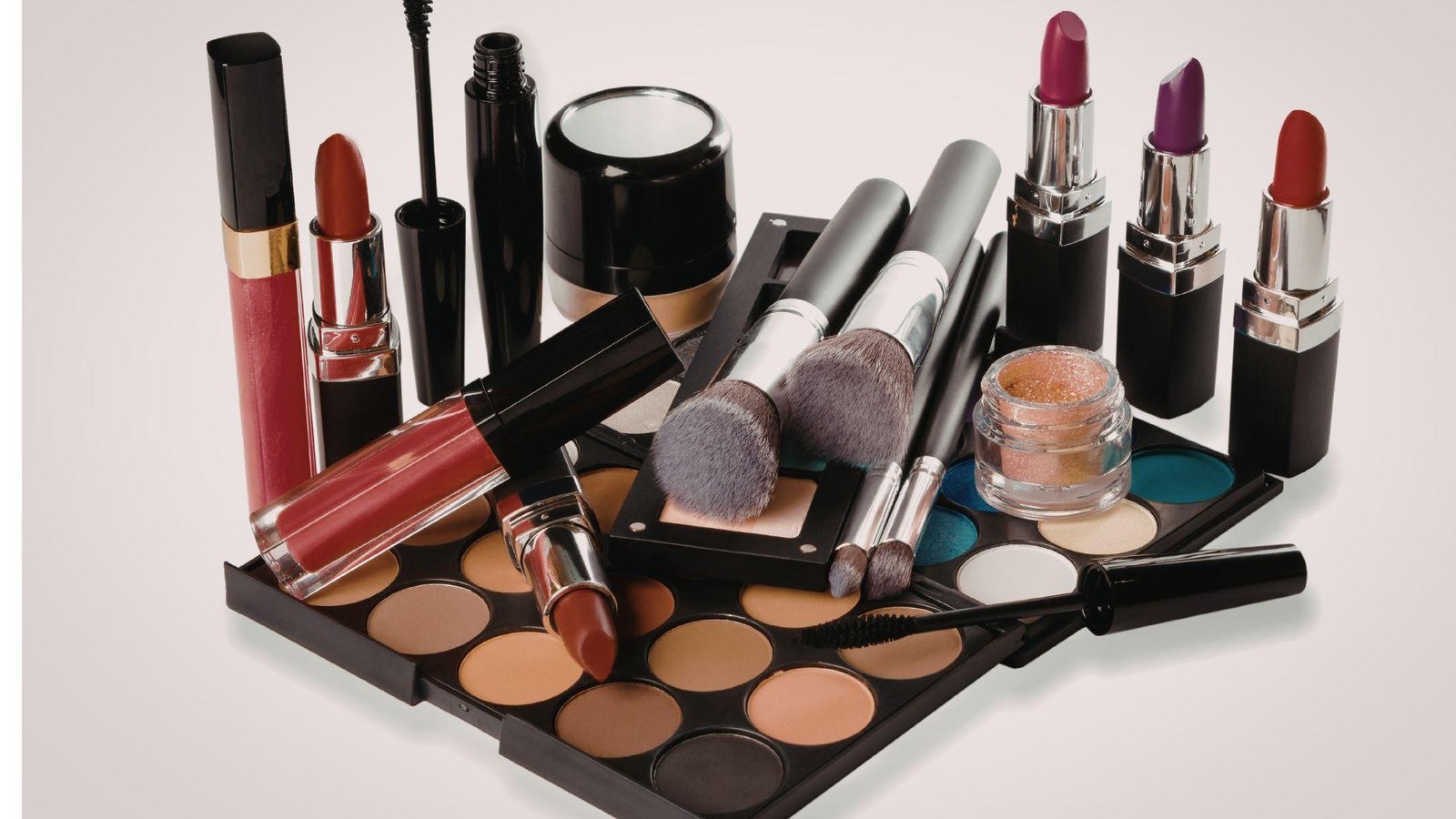
The global beauty industry is undergoing a remarkable transformation as consumers increasingly prioritize ethical sourcing, transparency, and clean formulations. Within this evolving landscape, halal cosmetics have emerged as one of the fastest-growing segments in the personal care industry. These products comply with Islamic principles and avoid ingredients that are considered impermissible under Islamic law, while also emphasizing cruelty-free, safe, and environmentally responsible production practices.
According to analysis by Renub Research, the global halal cosmetics market was valued at USD 45.30 billion in 2024 and is projected to reach USD 135.54 billion by 2033, expanding at a CAGR of 12.95% between 2025 and 2033. The growth trajectory highlights a strong shift in consumer preferences toward products that combine religious compliance, ethical manufacturing, and sustainable beauty solutions.
Several key factors are accelerating this market expansion. These include the rapidly growing global Muslim population, rising awareness about halal certification, the increasing demand for clean and natural cosmetics, and the influence of digital marketing and e-commerce channels that make halal beauty products accessible worldwide.
Understanding Halal Cosmetics and Their Rising Global Appeal
Halal cosmetics are beauty and personal care products developed according to Islamic guidelines. These products must avoid ingredients that are prohibited in Islam, such as alcohol derived from fermentation and certain animal by-products. Additionally, halal beauty products emphasize purity, ethical sourcing, and cruelty-free production, making them appealing to consumers who prioritize ethical and sustainable lifestyles.
The concept of halal beauty extends beyond religious compliance. Many halal cosmetic brands incorporate natural ingredients, vegan formulations, and environmentally responsible packaging. As a result, these products are increasingly being embraced by non-Muslim consumers who are drawn to the transparency and ethical values associated with halal certification.
In recent years, consumer awareness around clean beauty has grown significantly. Many shoppers are now scrutinizing ingredient lists and seeking cosmetics free from harmful chemicals, parabens, and synthetic additives. Halal cosmetics often align with these expectations because they focus on purity and safety in product formulations.
The intersection of ethical beauty and religious compliance has therefore broadened the consumer base for halal cosmetics. While Muslim consumers remain the primary market drivers, demand from environmentally conscious and health-focused consumers worldwide is expanding the industry’s reach.
Muslim Population Growth Driving Market Expansion
One of the most important drivers of the halal cosmetics market is the steady growth of the global Muslim population. With more than a billion Muslim consumers worldwide, demand for products that align with religious values continues to increase across multiple sectors, including food, finance, fashion, and personal care.
Muslim consumers seek assurance that the products they use comply with Islamic guidelines. This has led to a rising demand for halal certification in cosmetics, skincare, haircare, and fragrance products. As a result, many international beauty brands are exploring halal product lines or obtaining halal certifications to expand their presence in Muslim-majority markets.
Countries in Southeast Asia, the Middle East, and parts of Africa represent particularly strong markets for halal cosmetics due to large Muslim populations and rising disposable incomes. However, demand is also growing rapidly in Western countries where Muslim communities are expanding and multicultural beauty markets are becoming more prominent.
Ethical Beauty Trends Expanding the Halal Consumer Base
Beyond religious considerations, halal cosmetics are gaining attention because they align closely with global ethical beauty trends. Consumers today are increasingly concerned about environmental sustainability, cruelty-free production, and ingredient transparency.
Halal beauty products often avoid animal-derived ingredients and harmful chemicals, making them suitable for consumers seeking vegan and natural alternatives. Additionally, many halal cosmetic brands emphasize responsible sourcing and environmentally friendly packaging, further strengthening their appeal among sustainability-focused consumers.
This convergence between halal principles and clean beauty trends has significantly broadened the market’s potential audience. As ethical consumption becomes a global priority, halal cosmetics are positioned as a natural fit within the wider movement toward conscious beauty products.
Digital Commerce Accelerating Market Accessibility
The rise of e-commerce platforms and digital marketing has played a crucial role in the expansion of the halal cosmetics industry. Online marketplaces allow brands to reach international customers who may not have access to halal beauty products through traditional retail channels.
Social media platforms, beauty influencers, and digital campaigns have also helped increase awareness about halal cosmetics. Influencers within Muslim communities frequently highlight halal-certified brands, educating audiences about product ingredients and ethical standards.
Direct-to-consumer sales channels and global shipping options have made it easier for smaller halal brands to compete with larger multinational corporations. As a result, consumers can now explore a diverse range of halal cosmetic products from brands located around the world.
Southeast Asia Leading the Halal Beauty Movement
Southeast Asia, particularly Indonesia and Malaysia, has emerged as a global hub for halal cosmetics innovation. These countries have developed robust halal certification systems and actively promote halal industries as part of their economic development strategies.
Indonesia, home to the world’s largest Muslim population, represents one of the most dynamic halal cosmetics markets. Local brands have gained strong consumer trust by combining religious compliance with modern beauty trends.
Malaysia has also positioned itself as a global leader in halal certification and regulatory standards. The country’s well-established halal infrastructure supports product development, certification, and international exports of halal beauty products.
The success of Southeast Asian brands has inspired global cosmetic companies to explore halal product lines, partnerships, and certifications to enter these rapidly growing markets.
Major Companies Competing in the Halal Cosmetics Industry
The halal cosmetics industry includes both established multinational corporations and specialized halal beauty brands. Leading global cosmetic companies are increasingly recognizing the potential of halal products and adapting their strategies accordingly.
Major companies operating in this sector include:
These organizations leverage extensive research and development capabilities, global distribution networks, and strong brand recognition to expand their presence in the halal cosmetics market.
For instance, multinational beauty brands are exploring halal-certified product lines to reach consumers in Muslim-majority countries. At the same time, regional halal brands are gaining popularity by emphasizing authenticity, ethical production, and cultural understanding.
Competition in the halal cosmetics industry is therefore becoming increasingly dynamic, with both global giants and niche halal specialists shaping the market landscape.
Product Innovation and New Launches Strengthening Market Growth
Product innovation remains a key strategy for companies seeking to capture market share in the halal cosmetics industry. Brands are continuously introducing new formulations that combine halal compliance with modern skincare science and beauty trends.
A notable example is the launch of a new halal beauty range by Indonesian cosmetics brand Wardah. In October 2025, the company introduced Light+ by Wardah, a skincare and makeup collection designed specifically for younger consumers in Indonesia.
The launch reflects the growing influence of Generation Z in the beauty industry. Younger consumers often prioritize inclusivity, sustainability, and authenticity when selecting beauty products. Halal brands that align with these values are increasingly resonating with this demographic.
Strengths of Emerging Halal Cosmetic Brands
Several emerging brands have successfully established strong positions in the halal cosmetics market by focusing on authenticity and ethical beauty.
One example is Sampure Minerals, which has built a reputation for producing high-quality halal-certified cosmetics using natural and vegan ingredients. The brand emphasizes transparency, cruelty-free practices, and environmentally responsible packaging, helping it gain trust among both Muslim and non-Muslim consumers.
Similarly, Amara Cosmetics has positioned itself as a brand that blends halal principles with modern elegance. The company focuses on alcohol-free formulations, natural ingredients, and culturally inclusive beauty products designed specifically for Muslim consumers.
These brands demonstrate how a strong commitment to halal values, combined with innovative product development, can create loyal customer bases in a competitive global market.
Strategic Partnerships Expanding Global Reach
Partnerships and investments are also playing a crucial role in the growth of halal cosmetic brands. Collaborations with international distributors and consumer goods companies enable halal beauty brands to expand into new markets.
A notable development occurred in November 2022 when India-based Iba Cosmetics entered a strategic partnership with a Singaporean FMCG conglomerate. The partnership involved a USD 10 million investment aimed at expanding the brand’s presence across markets such as Saudi Arabia, the United Arab Emirates, Bahrain, and Bangladesh.
Such collaborations highlight the increasing global interest in halal beauty products and the willingness of investors to support companies operating in this rapidly growing sector.
Sustainability Emerging as a Key Industry Priority
Sustainability has become a central focus for many halal cosmetic manufacturers. Companies are increasingly integrating environmental responsibility into their product development and manufacturing strategies.
Several firms are investing in biodegradable ingredients, recyclable packaging, and energy-efficient production facilities. These initiatives aim to reduce the environmental footprint of cosmetic products while maintaining high standards of safety and quality.
In addition to environmental considerations, many halal cosmetic companies also prioritize social responsibility. This includes fair labor practices, community engagement initiatives, and support for women entrepreneurs in the beauty industry.
By combining halal principles with sustainability goals, companies are creating beauty products that appeal to a wide audience of ethically conscious consumers.
Market Segmentation and Competitive Landscape
The halal cosmetics market is characterized by diverse product categories and consumer segments. Key segments include skincare, makeup, haircare, fragrances, and personal hygiene products.
Companies compete through various strategies such as product innovation, halal certification, sustainability initiatives, and digital marketing campaigns. Strong branding and consumer trust are particularly important in this industry because halal certification requires strict compliance with specific production standards.
Market analysis also highlights the growing role of research and development in creating new formulations that meet both halal requirements and modern beauty expectations.
Final Thoughts
The global halal cosmetics market is entering a period of rapid expansion driven by demographic growth, ethical consumerism, and increasing awareness of halal certification. With the market projected to grow from USD 45.30 billion in 2024 to USD 135.54 billion by 2033, the sector is becoming an important component of the broader beauty and personal care industry.
As consumers continue to seek transparency, sustainability, and culturally inclusive products, halal cosmetics are well positioned to meet these expectations. Companies that successfully combine ethical values, product innovation, and digital marketing strategies are likely to capture significant opportunities in the coming decade.
The future of halal beauty will likely be defined by collaboration between global cosmetic leaders and specialized halal brands, further expanding the availability of halal-certified products worldwide. With strong growth forecasts and increasing international interest, the halal cosmetics industry is poised to become a major force in the evolving global beauty market.